Photorealistic 3D architectural visualization assets
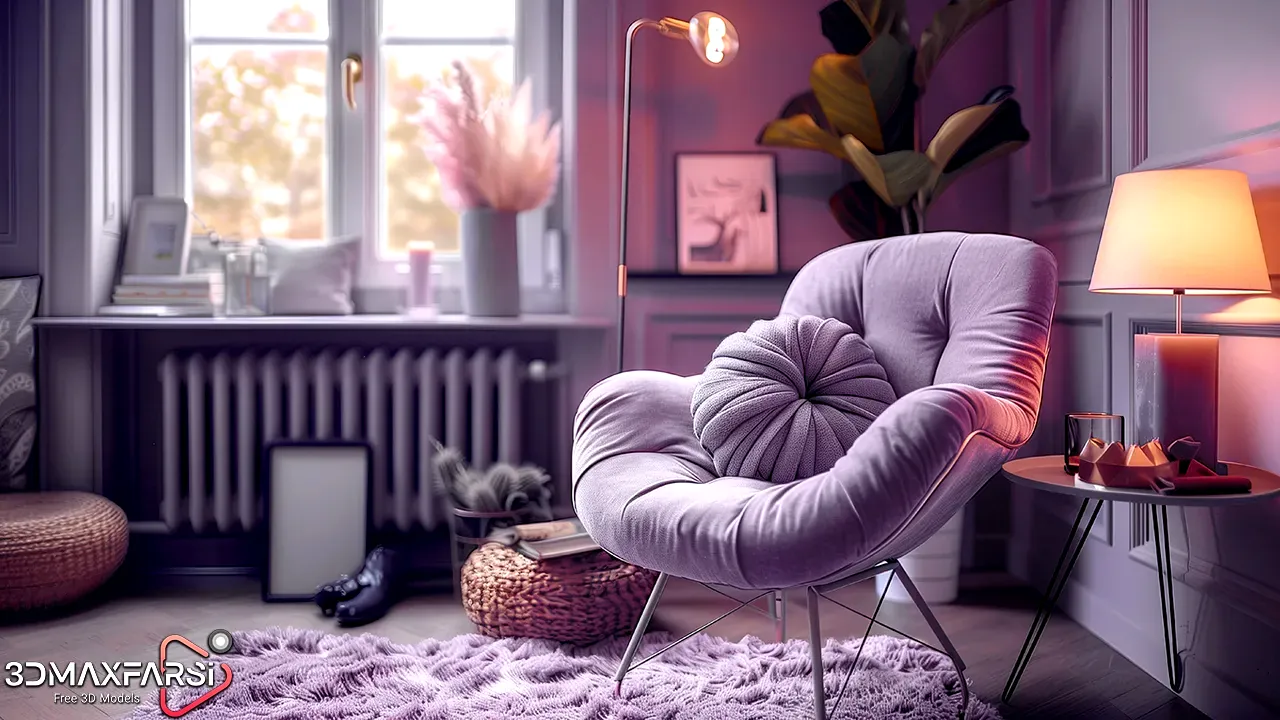
This article targets architects, 3D artists, and designers searching for Best 3D Models for Architecture and “photorealistic 3D assets.”
Keywords: photorealistic 3D models, architecture visualization, best 3D assets, high-quality 3D models.
Architects, designers, and 3D artists—listen up! If you’re looking to create jaw-dropping, photorealistic architectural visualizations, you need the best 3D models in your toolkit. But with so many options out there, how do you pick the right ones?
In this guide, we’ll break down:
✅ Top 3D model types for architecture
✅ Where to find photorealistic assets
✅ Key features that make a 3D model stand out
✅ Common FAQs (because we know you’ve got questions!)
Let’s dive in!
Why Photorealistic 3D Models Matter in Architecture 🖼️
Photorealistic renders aren’t just eye candy—they win clients, streamline approvals, and help visualize spaces before construction begins. The secret? High-quality 3D models that include:
-
Accurate textures (wood, concrete, glass)
-
Real-world lighting (natural vs. artificial)
-
Detailed furnishings & decor (because an empty room is boring!)
Top 3D Model Categories for Architecture
| Category | Why It’s Important | Best Use Cases |
|---|---|---|
| 3D Furniture 🛋️ | Adds realism & scale | Interior renders, office designs |
| 3D Vegetation 🌿 | Brings life to scenes | Landscapes, urban planning |
| 3D Lighting 💡 | Sets mood & realism | Night renders, commercial spaces |
| 3D Vehicles 🚗 | Adds context & realism | Urban projects, exterior shots |
| 3D People 👥 | Makes spaces relatable | Public spaces, residential designs |
Best Sources for Photorealistic 3D Models 🛒
Not all 3D model websites are equal. Here are the top platforms where architects get high-quality assets:
1. Cgtrader (www.cgtrader.com)
-
Pros: Huge library, high-poly models
-
Cons: Some models are pricey
-
Best for: Ultra-realistic commercial projects
2. Turbosquid (www.turbosquid.com)
-
Pros: Reliable, good free section
-
Cons: Quality varies
-
Best for: Quick, budget-friendly assets
3. SketchUp 3D Warehouse (3dwarehouse.sketchup.com)
-
Pros: Free & easy to use
-
Cons: Some models lack detail
-
Best for: Fast conceptual work
4. ArchDaily Models (www.archdaily.com)
-
Pros: Architect-focused, curated selections
-
Cons: Smaller collection
-
Best for: Professional-grade assets
What Makes a 3D Model “Photorealistic”? 🤔
Not all models are created equal. Here’s what separates good from mind-blowing:
✔ High-Resolution Textures – No blurry wood or fake-looking metals!
✔ Proper Scale & Proportions – A couch shouldn’t look like a toy.
✔ PBR (Physically Based Rendering) Materials – Mimics real-world light interaction.
✔ Optimized Geometry – Looks great without crashing your software.
Pro Tip:
“Always check the polygon count—super high-poly models can slow down renders. Balance detail with performance!” – Expert 3D Artist
Common Questions (FAQs) ❓
Q: Are free 3D models good enough for professional work?
A: Some are! But paid models usually have better textures, topology, and realism. For client presentations, invest in quality.
Q: Which software works best with architectural 3D models?
A:
-
SketchUp – Great for quick modeling
-
3ds Max + V-Ray – King of photorealism
-
Blender – Free & powerful (Cycles renderer FTW!)
-
Unreal Engine – For real-time walkthroughs
Q: How do I make my renders look more realistic?
A:
✅ Use HDRI lighting for natural shadows
✅ Add imperfections (dust, scratches)
✅ Include entourage (people, cars, plants)
Final Thoughts: Your 3D Model Checklist ✅
Before downloading a model, ask:
-
Is it scaled correctly?
-
Does it have PBR textures?
-
Will it slow down my scene?
-
Does it fit my project’s style?
With the right 3D models, your architectural visualizations will go from “meh” to “WOW!” 🚀
Now go forth and render something amazing! 🎨✨
Part 2: Advanced Tips for Photorealistic Architectural Renders 🚀
Alright, you’ve got your high-quality 3D models—now what? Let’s level up your renders with pro techniques that make clients say, “Is this a photo or a render?” 😏
1. Lighting: The Secret Sauce of Realism ☀️
Bad lighting can ruin even the best 3D model. Here’s how to nail it:
Types of Lighting in Architectural Visualization
| Lighting Type | Best For | Pro Tip |
|---|---|---|
| Natural (Sun + Sky) | Exteriors, daytime scenes | Use HDRI maps for realistic shadows & reflections |
| Artificial (LED, Neon, Spotlights) | Interiors, night scenes | Layer lights—ambient + accent for depth |
| Global Illumination | Ultra-realism | Bounce light = softer, natural shadows |
“Lighting is 70% of photorealism. If your scene looks flat, it’s probably the lights—not the models.” – 3D Rendering Pro
2. Textures & Materials: Make It Feel Real ✋
A concrete wall should feel rough. Glass should reflect. Here’s how to master materials:
Must-Have Texture Maps for Realism
-
Albedo (Color) – Base texture (no shadows!)
-
Normal Map – Fake 3D details without extra polygons
-
Roughness Map – Controls shine (0% = mirror, 100% = matte)
-
Displacement Map – Adds real depth (great for bricks, tiles)
Free Texture Resources:
-
Poliigon (high-end, some freebies)
-
Texture Haven (100% free, CC0 license)
-
Quixel Megascans (epic realism, free with Unreal Engine)
3. Composition: Frame Like a Pro 🎨
Even with perfect models, a bad camera angle kills the vibe. Follow these cinematic rules:
ArchViz Camera Rules
✔ Rule of Thirds – Place key elements on grid intersections
✔ Leading Lines – Use walls, roads to guide the eye
✔ Depth Layers – Foreground (trees), Midground (building), Background (sky)
Bonus: Add subtle depth of field (blurred background) for a photo-like feel.
4. Post-Processing: The Final Polish ✨
Don’t skip this! A quick Photoshop/Luminar pass can save a mediocre render.
Quick Post-Pro Checklist
-
Color Correction (Adjust contrast & vibrancy)
-
Lens Effects (Subtle glare, vignette)
-
Grain & Imperfections (Real photos aren’t flawless!)
5. Rendering Engines Compared ⚡
Which software gives the best results? Let’s break it down:
| Software | Best For | Render Time | Learning Curve |
|---|---|---|---|
| V-Ray | Ultra-realism | Slow 🐢 | Moderate |
| Corona | Natural lighting | Medium ⏳ | Easy |
| Enscape | Real-time (VR!) | Fast ⚡ | Super Easy |
| Lumion | Speed + beauty | Fast ⚡ | Easy |
Verdict:
-
Quality > Speed? → V-Ray/Corona
-
Need real-time? → Enscape/Unreal Engine
FAQs (Part 2) ❓
Q: Why do my renders look “CGI” even with good models?
A: Check:
-
Lighting (Too uniform? No shadows?)
-
Textures (Are they tiling/repeating?)
-
Entourage (Static, floating people? Bad scaling?)
Q: How much does a professional archviz setup cost?
A:
-
Budget: Blender (Free) + Quixel Textures (Free)
-
Pro: 3ds Max (1,700/yr)+V−Ray(800/yr)
-
GPU Matters! NVIDIA RTX 4090 = 🚀 speed
Q: Can AI help with architectural visualization?
A: Yes! Tools like:
-
MidJourney (Concept art)
-
Stable Diffusion (Background generation)
-
ArkoAI (Auto-texturing)
Final Pro Tips 🔥
-
Less is more. Overloading a scene kills realism.
-
Reference real photos. Compare side-by-side.
-
Update your assets. Old models = outdated renders.
What’s Your Biggest Rendering Struggle?
(Drop it below—let’s troubleshoot together! 👇)